
Turnkey Builder or Labour Contractor? How to Decide
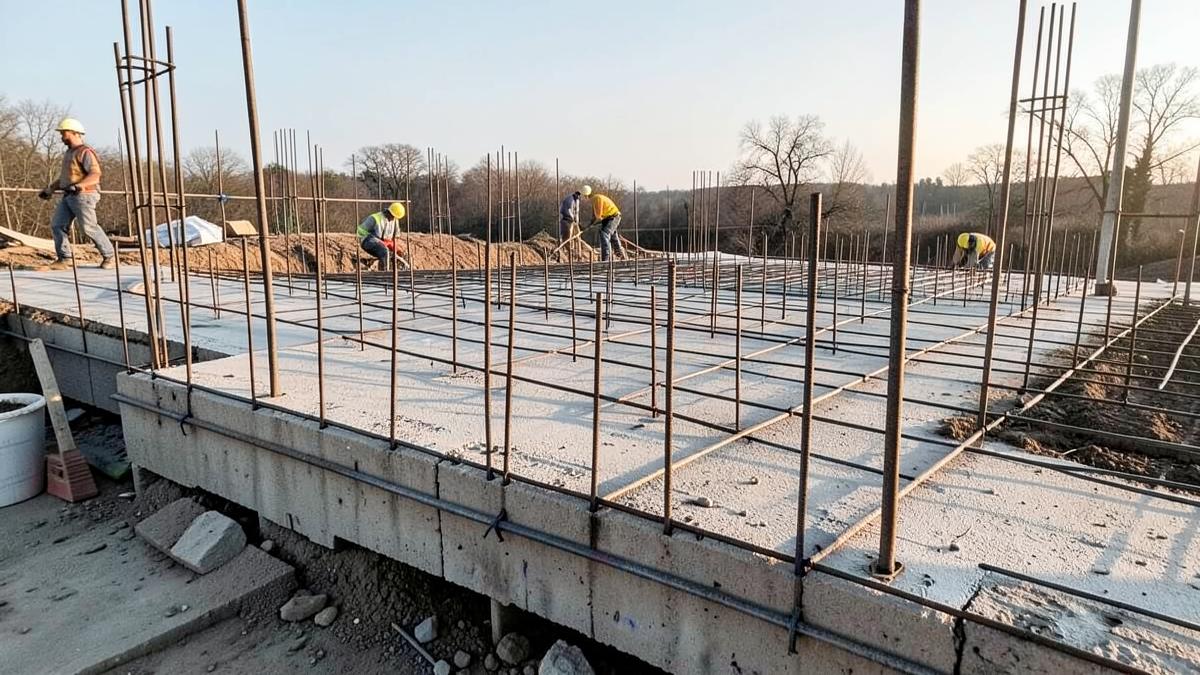
The three models
- Turnkey / design-and-build. One firm delivers a finished house at an agreed rate per sqft or a lump sum.
- Item-rate contract. You or your architect procure and pay per measured item of work.
- Labour-only contract. You buy all material; the contractor supplies labour.
Cost versus control
Labour-only is cheapest on paper and most expensive in your time — you become the procurement manager, and material wastage is your loss. Turnkey costs 10–20% more and transfers coordination, wastage and schedule risk to the builder. Item-rate sits between, and works well when you have a strong architect and a project manager.
Quality control differs
Turnkey quality depends on the specification annexure. Insist on brands, grades and thicknesses in writing — "premium" is not a specification. In labour-only contracts, quality depends on your supervision and on your material choices.
Risk you should price
Delay costs, rework, safety and statutory compliance for workers, and defect liability. Turnkey contracts should carry a written defect liability period; labour contracts usually carry none.
What a good contract contains
Drawing set, specification annexure with brands, BOQ, milestone-linked payments, a Gantt schedule, a change-order procedure with cost and time impact, retention money, and a defect liability clause.
Our recommendation
For first-time home builders: turnkey with a strong specification annexure. For experienced owners with time: item-rate with an architect. UrbanEarth's construction team quotes both, on the same drawings.